
Home > Daily Forklift Maintenance Checklist for Better Performance and Longer Service Life
Forklifts are essential equipment in warehouses, factories, logistics centers, and industrial handling operations. In many businesses, forklifts operate continuously for long hours every day, making regular maintenance extremely important for maintaining efficiency, safety, and operational reliability.
Poor maintenance not only increases the risk of equipment failure, but can also lead to unexpected downtime, higher repair costs, reduced productivity, and safety hazards in the workplace. A well-maintained forklift, on the other hand, performs more efficiently, lasts longer, and helps businesses reduce long-term operating expenses.
Establishing a practical daily maintenance routine is one of the most effective ways to keep forklifts operating in stable condition.
Why Daily Forklift Maintenance Matters
Many forklift problems begin as small issues that gradually become more serious over time. Minor leaks, worn tires, battery problems, or loose components may not immediately affect operation, but if ignored, they can eventually lead to major repairs or unexpected equipment breakdowns.
Daily inspections help operators identify potential problems before they affect productivity or workplace safety. Preventive maintenance also helps reduce downtime and extends the overall lifespan of the equipment.
For businesses operating multiple forklifts, regular maintenance management becomes even more important because equipment reliability directly affects warehouse efficiency and delivery schedules.
In addition, many industrial safety regulations require forklifts to undergo regular inspections to ensure safe operation.
Start with a Visual Inspection
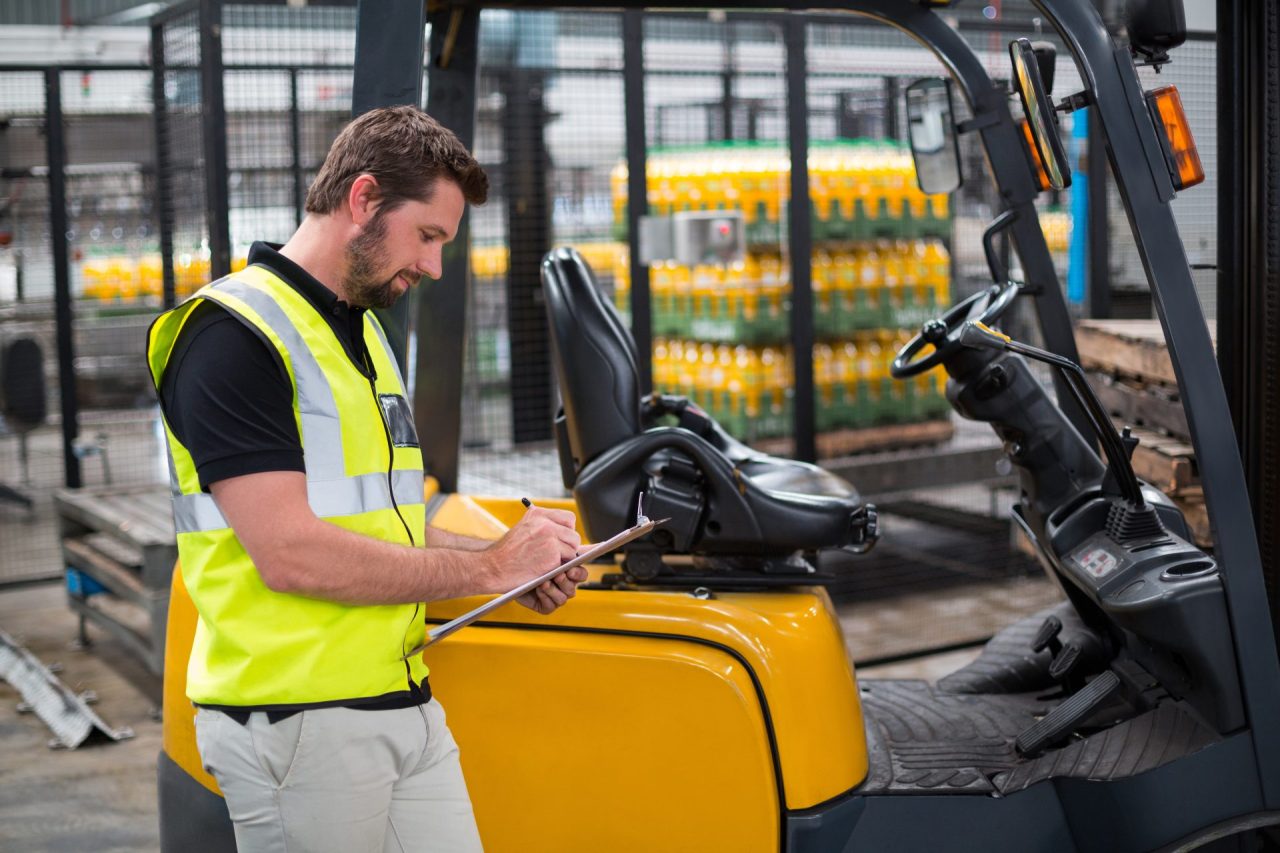
Before starting daily operations, operators should perform a general visual inspection of the forklift.
This process only takes a few minutes but can help identify visible problems that may affect performance or safety.
During the inspection, operators should check:
- Tire condition and wear
- Oil or hydraulic leaks
- Visible structural damage
- Loose bolts or components
- Fork condition and alignment
- Mast and chain condition
If any unusual damage or leakage is found, the forklift should be inspected further before operation.
A clean forklift also makes it easier to detect potential issues early. Dust, grease buildup, and debris may hide leaks or damaged components that require attention.
Check Tires and Wheels Carefully
Tires play a critical role in forklift stability, load handling, and operator safety.
Worn or damaged tires can affect maneuverability and increase accident risks, especially when transporting heavy loads. Tire inspections should include checking:
- Uneven wear
- Cracks or cuts
- Tire pressure (for pneumatic tires)
- Loose wheel nuts
- Flat spots or deformation
Indoor electric forklifts often use solid tires, while outdoor diesel forklifts may use pneumatic tires for rough terrain applications. Different operating environments place different levels of stress on forklift tires.
Maintaining proper tire condition also improves energy efficiency and reduces unnecessary strain on the forklift system.
Inspect Hydraulic Systems
The hydraulic system is responsible for lifting, lowering, and tilting operations. Even small hydraulic problems can affect forklift performance and safety.
Operators should pay attention to:
- Hydraulic oil levels
- Hose condition
- Cylinder leakage
- Abnormal lifting speed
- Unusual operating noises
If the forklift shows slow lifting performance, unstable mast movement, or fluid leakage, the hydraulic system should be inspected immediately.
Ignoring hydraulic problems may eventually lead to lifting failure or more expensive component repairs.
Examine Forks and Mast Components
Forks directly support the load during operation, making them one of the most important safety-related components.
Over time, forks can experience:
- Cracks
- Bending
- Uneven wear
- Surface damage
Damaged forks reduce load stability and increase the risk of accidents during lifting operations.
The mast system should also be inspected regularly. Operators should check chains, rollers, and mast rails for signs of excessive wear or improper lubrication.
Smooth mast operation is essential for safe and efficient material handling.
Monitor Battery Condition for Electric Forklifts
For electric forklifts, battery management is one of the most important aspects of maintenance.
Poor battery maintenance can reduce operating time, shorten battery lifespan, and increase replacement costs.
Operators should check:
- Battery charge levels
- Cable connections
- Corrosion around terminals
- Water levels (for lead-acid batteries)
- Charging equipment condition
Proper charging practices are extremely important. Overcharging or deep discharging can damage battery performance over time.
Warehouse operations that rely heavily on electric forklifts often establish dedicated battery charging and maintenance areas to improve equipment reliability and extend service life.
Check Engine and Fluid Levels for Diesel Forklifts
Diesel forklifts require regular engine inspections to maintain stable performance.
Operators should monitor:
- Engine oil levels
- Coolant levels
- Fuel condition
- Air filter cleanliness
- Transmission fluid levels
Unusual engine noise, excessive smoke, or difficulty starting may indicate underlying mechanical issues that require attention.
Routine engine maintenance helps improve fuel efficiency and prevents more serious mechanical failures in demanding industrial environments.
Test Braking and Steering Systems
Safe forklift operation depends heavily on braking and steering performance.
Before operation, operators should test:
- Brake responsiveness
- Parking brake function
- Steering smoothness
- Warning systems and horn
- Lights and indicators
Any delay or abnormal response in braking or steering should be addressed immediately.
Warehouse environments often involve narrow aisles, pedestrian movement, and continuous traffic flow, making reliable forklift control extremely important for workplace safety.
Listen for Unusual Sounds During Operation
Operators who use forklifts daily often become familiar with the normal operating sound of the equipment.
Unusual noises such as:
- Grinding
- Vibration
- Squeaking
- Knocking
- Hydraulic whining
may indicate mechanical wear or developing system problems.
Early detection allows maintenance teams to address issues before they become more serious and expensive to repair.
Paying attention to equipment behavior during daily operation is an important part of preventive maintenance.
Keep Maintenance Records
Many businesses overlook the importance of maintenance documentation.
Keeping organized maintenance records helps businesses:
- Track servicing schedules
- Monitor repair frequency
- Reduce unexpected downtime
- Improve fleet management efficiency
- Plan replacement cycles
Maintenance records are especially useful for large forklift fleets operating across multiple warehouses or industrial facilities.
Well-documented equipment management also improves operational planning and long-term cost control.
The Role of Operator Training
Even the best forklifts require proper operation to maintain stable performance.
Operators should receive training on:
- Daily inspection procedures
- Safe operating practices
- Battery charging methods
- Load handling guidelines
- Early problem identification
Improper forklift operation can accelerate wear, increase fuel or energy consumption, and create safety risks.
Well-trained operators help improve both equipment lifespan and workplace efficiency.
Building a Preventive Maintenance Culture
Successful forklift maintenance is not only about repairing problems — it is about preventing them before they occur.
Businesses that implement structured inspection routines and preventive maintenance systems often experience:
- Lower repair costs
- Longer equipment lifespan
- Improved operational efficiency
- Reduced downtime
- Better workplace safety
Preventive maintenance helps businesses maintain stable warehouse operations while reducing long-term operational risks.
Final Thoughts
Daily forklift maintenance is one of the most important practices for improving equipment reliability and operational efficiency.
Simple daily inspections can help identify problems early, reduce unexpected breakdowns, and extend the service life of forklifts. Whether using electric forklifts in warehouses or diesel forklifts in heavy industrial environments, regular maintenance plays a critical role in ensuring safe and efficient operations.
By combining proper maintenance routines, operator training, and reliable technical support, businesses can maximize forklift performance while reducing long-term operating costs and improving overall productivity.
View More Articles
How to Choose the Right Forklift for Your Business
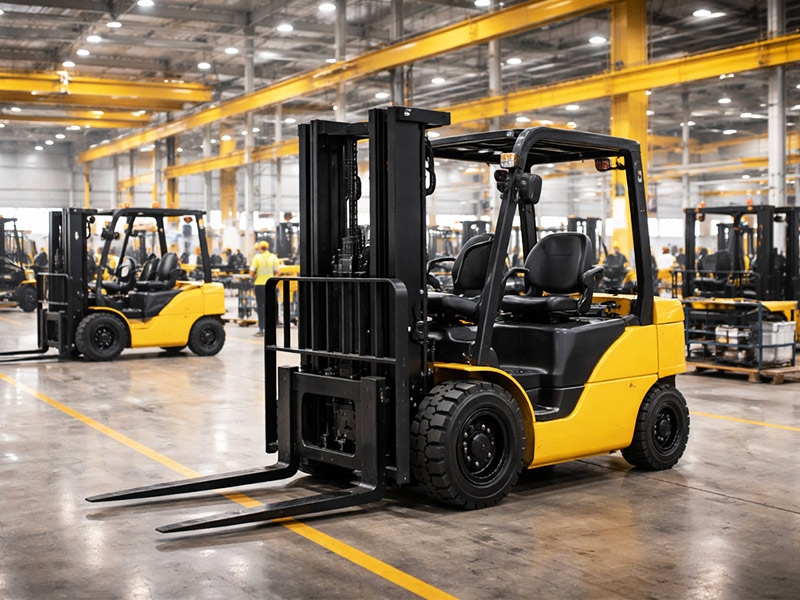
Choosing the right forklift is not simply about selecting a machine with the highest lifting capacity or the lowest price. Different industries, warehouse layouts, working environments, and operational demands require different forklift solutions.
Best Forklift Solutions for Warehouse Operations
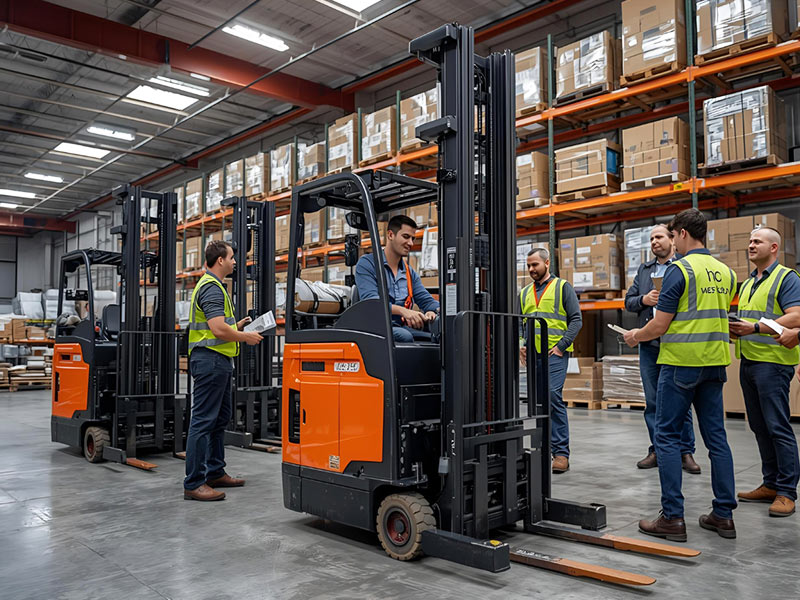
Modern warehouse operations depend heavily on efficiency, speed, and accurate material handling. As warehouses continue to face increasing order volumes, tighter delivery schedules, and higher operational demands, choosing the right forklift solution has become more important than ever.
Electric Forklift vs Diesel Forklift: Which One Is Better for Your Business?
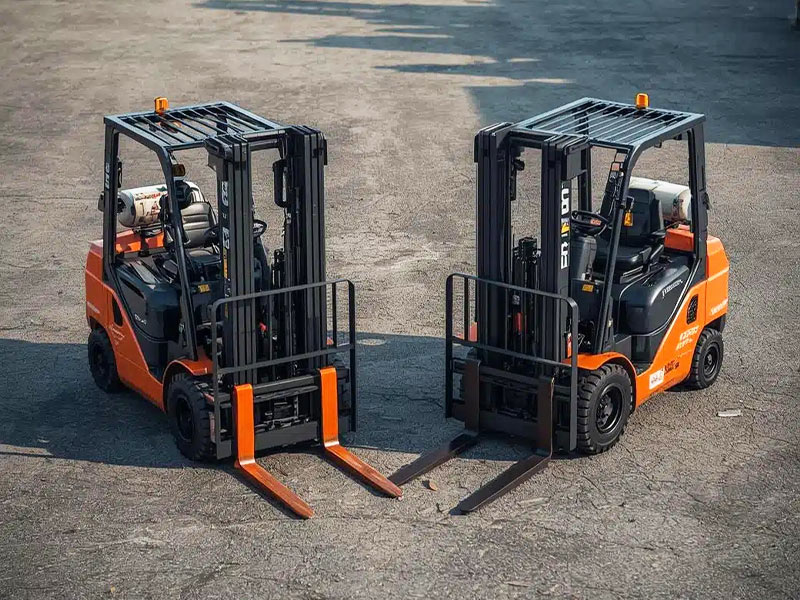
Choosing between an electric forklift and a diesel forklift is one of the most common decisions businesses face when purchasing material handling equipment. While both types are designed to improve lifting efficiency and warehouse productivity, they are built for different operating conditions, workloads, and industrial applications.