Best Forklift Solutions for Warehouse Operations

Modern warehouse operations depend heavily on efficiency, speed, and accurate material handling. As warehouses continue to face increasing order volumes, tighter delivery schedules, and higher operational demands, choosing the right forklift solution has become more important than ever.

Different warehouse environments require different types of forklifts, and selecting suitable equipment can significantly improve workflow efficiency, reduce operating costs, and enhance workplace safety. Whether for small storage facilities or large logistics distribution centers, understanding practical warehouse requirements is the foundation of building an effective material handling system.

The Growing Demands of Modern Warehousing

Warehouses today are no longer simple storage spaces. They have become highly organized operational centers that require fast movement of goods, optimized storage capacity, and continuous workflow coordination.

In many facilities, forklifts operate for long hours every day, handling tasks such as pallet transportation, shelf loading, container unloading, and inventory movement. Because of this, businesses need equipment that can maintain stable performance while adapting to different warehouse layouts and operational conditions.

Factors such as aisle width, storage height, floor conditions, and daily workload directly influence the type of forklift that should be selected.

Electric Forklifts Are Becoming the Preferred Choice

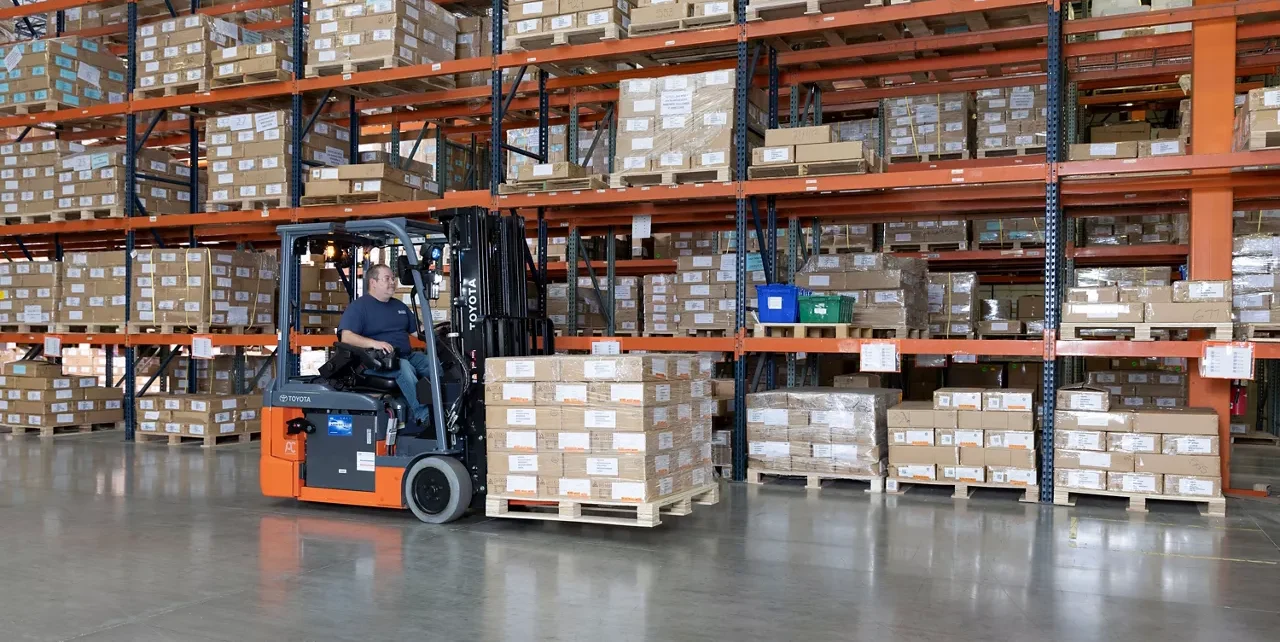
For indoor warehouse environments, electric forklifts have become one of the most popular solutions due to their flexibility and operational advantages.

Compared with traditional diesel models, electric forklifts offer quieter operation and produce no exhaust emissions, making them highly suitable for enclosed working environments. Their compact design also improves maneuverability in narrow aisles and tight warehouse spaces.

In addition to environmental advantages, electric forklifts can help reduce long-term operating costs. They generally require less routine maintenance because they have fewer mechanical components compared to internal combustion forklifts.

Warehouses that focus on efficiency, cleanliness, and continuous operation often prefer electric forklift solutions for daily material handling tasks.

Choosing the Right Forklift Based on Warehouse Layout

Warehouse structure plays an important role in forklift selection. Different layouts require different lifting capabilities, turning performance, and operating flexibility.

For narrow aisle warehouses, compact forklifts with smaller turning radiuses can help maximize storage space while maintaining efficient movement. In facilities with high storage racks, forklifts with higher lifting heights and stable mast systems become essential.

Large logistics centers handling heavy pallet movement may require forklifts with stronger load capacities and longer operational endurance. On the other hand, smaller warehouses may prioritize flexibility and easier maneuverability over heavy-duty performance.

Selecting forklifts based on actual warehouse conditions can improve operational flow while reducing unnecessary equipment costs.

Safety and Operator Comfort Matter in Daily Operations

Warehouse forklifts are often used continuously throughout the day, making operator comfort and safety critical factors in productivity.

Modern forklift designs increasingly focus on ergonomic operating systems, wider visibility, and smoother control functions. Comfortable seating, responsive steering, and intuitive controls help reduce operator fatigue during long working hours.

At the same time, safety features such as stability systems, warning lights, braking performance, and mast visibility contribute to safer warehouse operations and lower accident risks.

Efficient warehouse management is not only about moving goods quickly, but also about maintaining safe and reliable daily operations.

Maintenance Efficiency Is Equally Important

In warehouse operations, equipment downtime can directly affect delivery schedules and overall efficiency. For this reason, businesses should not only focus on forklift performance, but also consider maintenance convenience and long-term reliability.

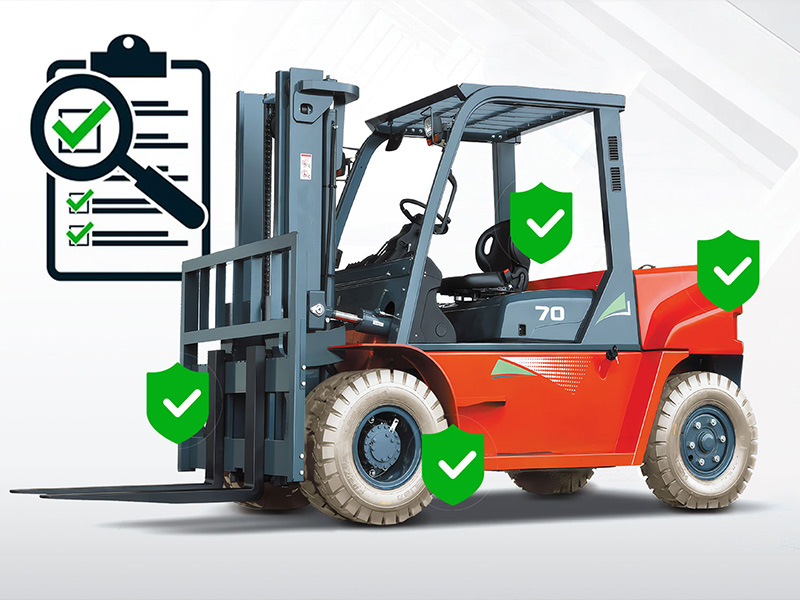
Forklifts with stable quality and accessible replacement parts can reduce maintenance delays and lower repair costs. Preventive maintenance, battery management, and regular inspections also play important roles in extending equipment lifespan.

Many businesses today prefer forklift suppliers that can provide stable technical support, spare parts availability, and responsive after-sales service to ensure continuous warehouse operations.

Custom Forklift Solutions for Different Industries

Warehouse requirements vary significantly between industries. Logistics centers, retail distribution warehouses, food storage facilities, and manufacturing plants often require different forklift configurations.

Some businesses may require:

  • Higher lifting heights
  • Special fork attachments
  • Compact warehouse models
  • Longer battery endurance
  • Customized branding or configurations

For distributors and industrial buyers, working with manufacturers that support OEM & ODM customization can provide greater flexibility and help meet specific operational needs.

Customized forklift solutions also allow businesses to improve efficiency while adapting to local market demands and industry requirements.

Building a More Efficient Warehouse Operation

Forklifts are not simply transportation equipment — they are an essential part of warehouse productivity and operational management.

The right forklift solution can help businesses:

  • Improve handling efficiency
  • Reduce labor intensity
  • Optimize warehouse space utilization
  • Lower long-term operating costs
  • Improve operational safety

As warehouse operations continue to evolve, businesses increasingly require forklift solutions that combine reliability, efficiency, flexibility, and long-term value.

Choosing suitable equipment and working with a reliable manufacturing partner can help create more stable and efficient warehouse operations for future business growth.

View More Articles

CONTACT

Get In Touch