
Home > How to Choose the Right Forklift for Your Business
Choosing the right forklift is not simply about selecting a machine with the highest lifting capacity or the lowest price. Different industries, warehouse layouts, working environments, and operational demands require different forklift solutions. Selecting the wrong model can lead to reduced efficiency, higher operating costs, increased maintenance issues, and even safety risks.
Whether you are purchasing forklifts for a warehouse, logistics center, factory, construction site, or distribution business, understanding your actual operational requirements is the first step toward making a practical and cost-effective decision.

Understand Your Working Environment
Before selecting a forklift, it is important to evaluate where and how the equipment will be used. Indoor and outdoor operations require different forklift types, tire options, and power systems.
For indoor warehouses with narrow aisles and smooth floors, electric forklifts are often preferred because they produce low noise, no exhaust emissions, and offer better maneuverability. In contrast, outdoor environments such as construction sites, ports, and rough industrial yards may require diesel forklifts with stronger power and higher durability.
You should also consider:
- Aisle width and turning space
- Floor conditions and surface quality
- Ventilation conditions
- Loading and unloading frequency
- Operating hours per day
A forklift that performs well in one environment may not be suitable for another.
Determine the Required Load Capacity
Load capacity is one of the most important factors when choosing a forklift. Buyers often focus only on the maximum lifting weight, but actual working conditions should also be considered.
For example, if your operation frequently handles heavy pallets or oversized cargo, you may need a forklift with a higher residual load capacity and stronger mast stability. If the forklift mainly handles lightweight goods in warehouses, a compact electric model may be more practical and cost-efficient.
It is also important to consider:
- Average load weight
- Maximum lifting height
- Load dimensions
- Center of gravity of the cargo
Selecting insufficient capacity may create safety risks, while oversized forklifts can increase fuel consumption and operating costs unnecessarily.
Choose the Right Power Type
Forklifts are generally divided into electric, diesel, and LPG models. Each type has its own advantages depending on the application.
Electric Forklifts
Electric forklifts are widely used in warehouses, logistics centers, and indoor handling operations. They offer quieter operation, lower emissions, and reduced maintenance requirements.
Advantages:
- Environmentally friendly
- Lower operating noise
- Reduced maintenance costs
- Better for indoor use
Diesel Forklifts
Diesel forklifts are commonly used for heavy-duty outdoor applications because of their strong power output and ability to operate continuously under demanding conditions.
Advantages:
- Higher power performance
- Suitable for rough terrain
- Better for outdoor operations
- Strong load handling capability
LPG Forklifts
LPG forklifts provide a balance between electric and diesel models and can be used both indoors and outdoors with proper ventilation.
Advantages:
- Faster refueling
- Flexible operating environments
- Lower emissions than diesel
The choice should depend on your actual workload, operational hours, and working conditions rather than price alone.
Consider Long-Term Operating Costs
The purchase price is only one part of the total investment. Long-term operating costs can have a much greater impact on overall profitability.
When evaluating forklifts, consider factors such as:
- Fuel or electricity consumption
- Maintenance frequency
- Spare parts availability
- Tire replacement costs
- Battery lifespan
- Downtime risks
For example, electric forklifts may have a higher initial investment, but they often reduce maintenance and energy costs over time. Diesel forklifts may offer stronger performance for demanding tasks but require more regular servicing.
A practical purchasing decision should balance both short-term budget and long-term operational efficiency.
Pay Attention to Operator Comfort and Safety
Forklifts are operated for long hours in many workplaces, so operator comfort directly affects productivity and safety.
Modern forklift designs often include:
- Ergonomic seating
- Adjustable steering systems
- Wide visibility masts
- Easy-to-use controls
- Anti-slip steps and handles
- Stability and braking systems
A comfortable operator is more likely to work efficiently and safely during long shifts.
Safety should also never be overlooked. Choosing forklifts with reliable braking systems, warning lights, overload protection, and stable mast structures can help reduce workplace accidents and improve operational reliability.
Evaluate the Supplier’s Manufacturing Capability
Choosing the right forklift is also about choosing the right supplier. A reliable manufacturer can provide stable product quality, consistent delivery, and long-term technical support.
Before cooperating with a supplier, it is useful to evaluate:
- Manufacturing experience
- Quality control procedures
- OEM & ODM capability
- Production capacity
- Export experience
- After-sales support
A supplier with organized production management and responsive communication can help reduce operational risks and improve long-term cooperation efficiency.
Customization May Be Important for Your Market
Different countries and industries often have different requirements for forklift specifications, branding, colors, attachments, and operational configurations.
For distributors and wholesalers, OEM & ODM customization can help create more competitive product lines and improve local market positioning.
Common customization options include:
- Load capacity adjustment
- Mast height options
- Fork length customization
- Branding and logo printing
- Color customization
- Tire and attachment selection
Working with a manufacturer that supports flexible customization can provide greater business advantages in competitive markets.
Final Thoughts
Choosing the right forklift is not simply about buying equipment — it is about improving operational efficiency, reducing long-term costs, and ensuring stable business performance.
By carefully evaluating your working environment, load requirements, operating costs, supplier capability, and future business needs, you can select a forklift solution that delivers both reliability and long-term value.
A practical and well-matched forklift solution will help improve productivity, support safer operations, and contribute to long-term business growth.
View More Articles

Best Forklift Solutions for Warehouse Operations
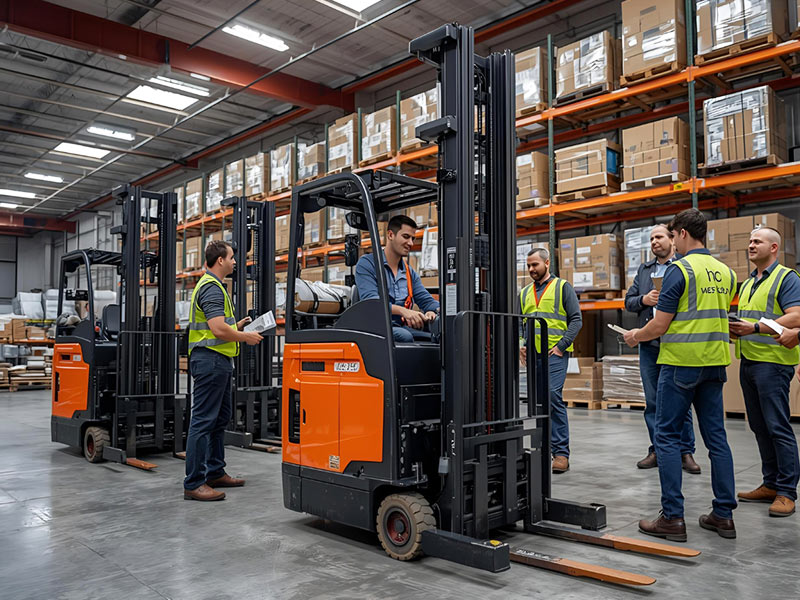
Modern warehouse operations depend heavily on efficiency, speed, and accurate material handling. As warehouses continue to face increasing order volumes, tighter delivery schedules, and higher operational demands, choosing the right forklift solution has become more important than ever.
Electric Forklift vs Diesel Forklift: Which One Is Better for Your Business?
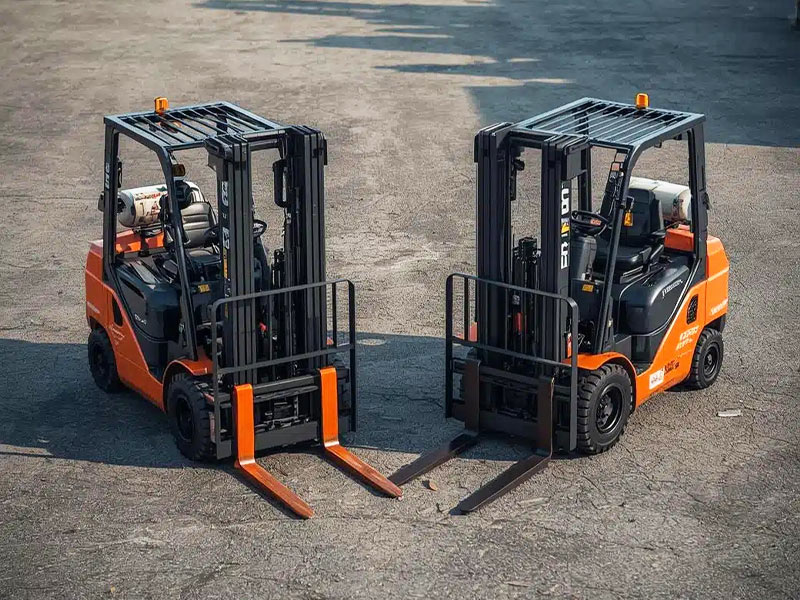
Choosing between an electric forklift and a diesel forklift is one of the most common decisions businesses face when purchasing material handling equipment. While both types are designed to improve lifting efficiency and warehouse productivity, they are built for different operating conditions, workloads, and industrial applications.
Daily Forklift Maintenance Checklist for Better Performance and Longer Service Life
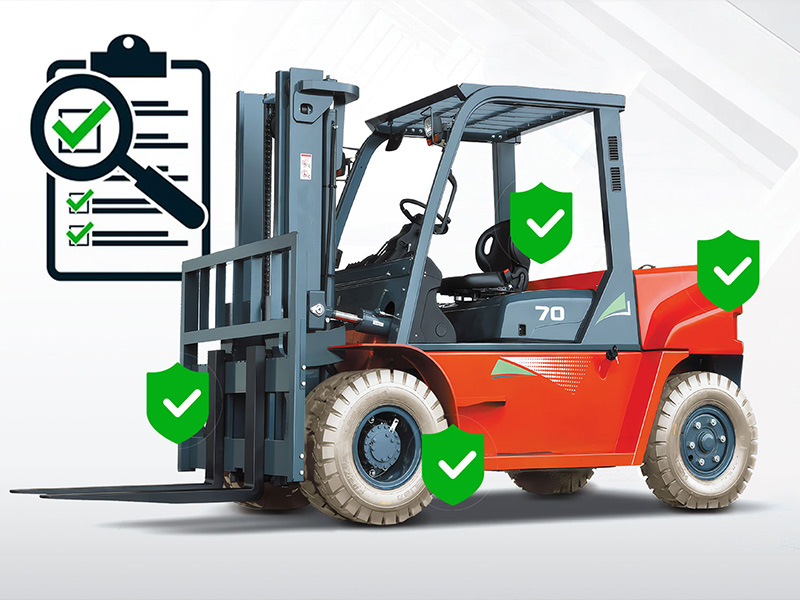
Forklifts are essential equipment in warehouses, factories, logistics centers, and industrial handling operations. In many businesses, forklifts operate continuously for long hours every day, making regular maintenance extremely important for maintaining efficiency, safety, and operational reliability.